Conceptual proposal Undergraduate thesis
Rejuvenating Kallyanpur Khal
Kallyanpur canal, Dhaka, Bangladesh Documented 2025
Frames a neglected urban canal as a civic spine, combining flood management, community access and boat transit within a transit-oriented development.
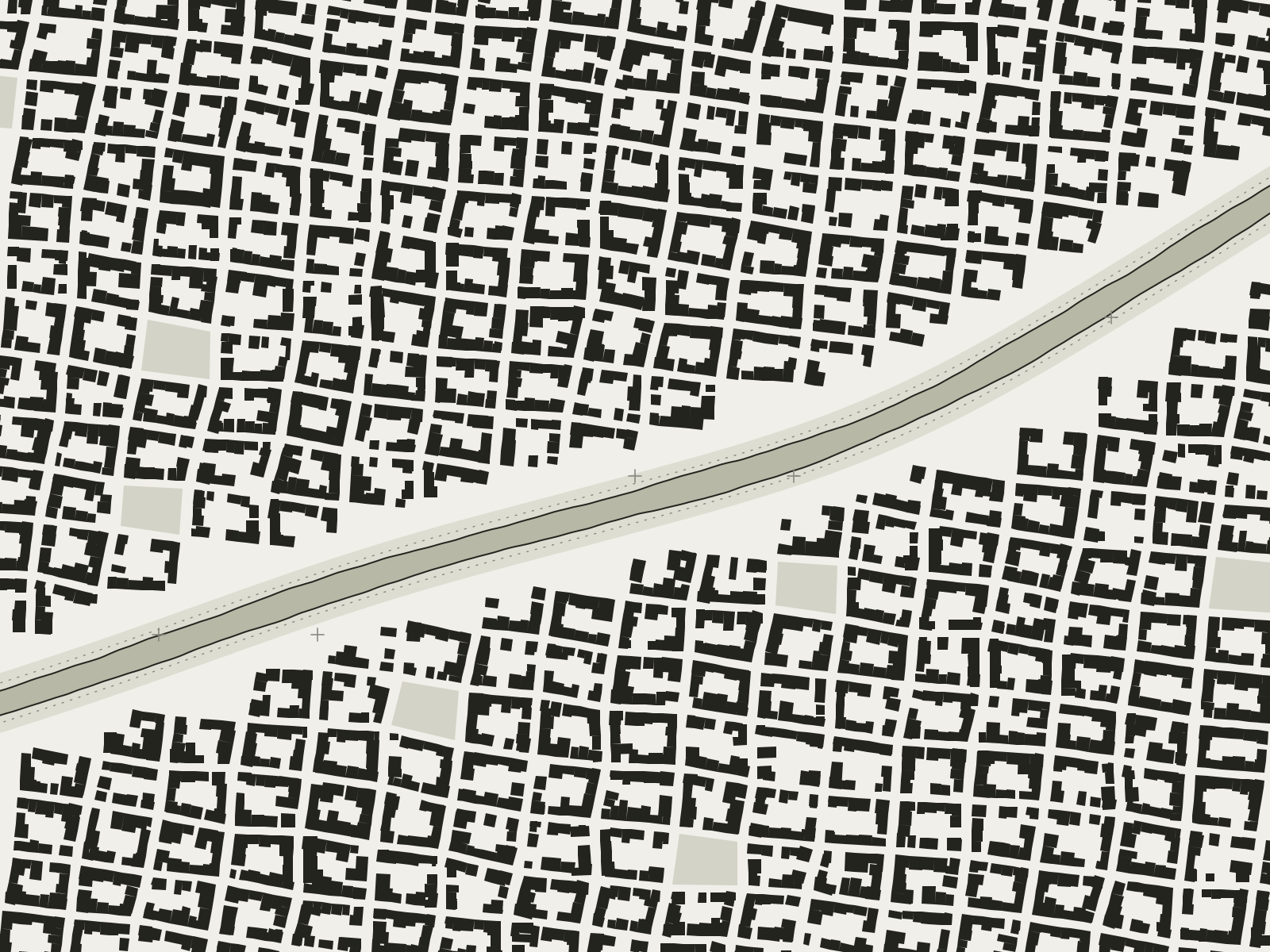 Abstract plate
Editorial summary Awaiting the founder’s approval Compiled from the cited sources
01 Context and background
The thesis addressed a neglected urban canal in Dhaka. Despite repeated efforts by the authorities to dredge the canal and remove encroachments, recovery had remained unsuccessful (Reza and Nitu 2025).
02 Research questions
Awaiting documentation Not yet documented. This section will be completed with material supplied or approved by the project’s authors.
03 Conditions
Historical
Not yet documented.
Social
Not yet documented.
Cultural
Not yet documented.
Ecological
The project treated the canal as an ecological as well as a social and urban asset, integrating water management, public access and green corridors to reconnect the community with the waterbody (Reza and Nitu 2025).
04 Analytical process
Ecological, social, political and urban layers carried the greatest weight in the reading. The study argued that lasting results require a holistic relationship between the canal system and its neighbourhoods, as demonstrated by cities that have revived their waterways (Reza and Nitu 2025).
05 Design response
The canal is framed not as leftover infrastructure but as a civic spine, combining flood management with community access. The thesis explored reintroducing navigability through boating services within a transit-oriented development, and devised a strategic plan intended to be replicable for canal revival elsewhere. At the neighbourhood scale, a transit station is designed as the first point of interaction with the canal during daily commutes, and edge treatments are proposed to encourage frequent community engagement (Reza and Nitu 2025).
06 Outcomes and critical reflections
Awaiting documentation Not yet documented. This section will be completed with material supplied or approved by the project’s authors.
07 Contributors and references
Oindriza Reza Nodi, as credited in the published sources.
- Reza and Nitu 2025Reza, Mohammad Habib, and Upama Das Nitu. 2025. “New Contextualism: Architecture and Urbanism for People, Place, and Justice.” Context BD, September 16, 2025. https://contextbd.com/new-contextualism-architecture-and-urbanism-for-people-place-and-justice/. Record
Related projects
Ongoing researchTeaching and thesis supervision
The tenfold reading in the design studio
BRAC University, Dhaka · Documented 2023
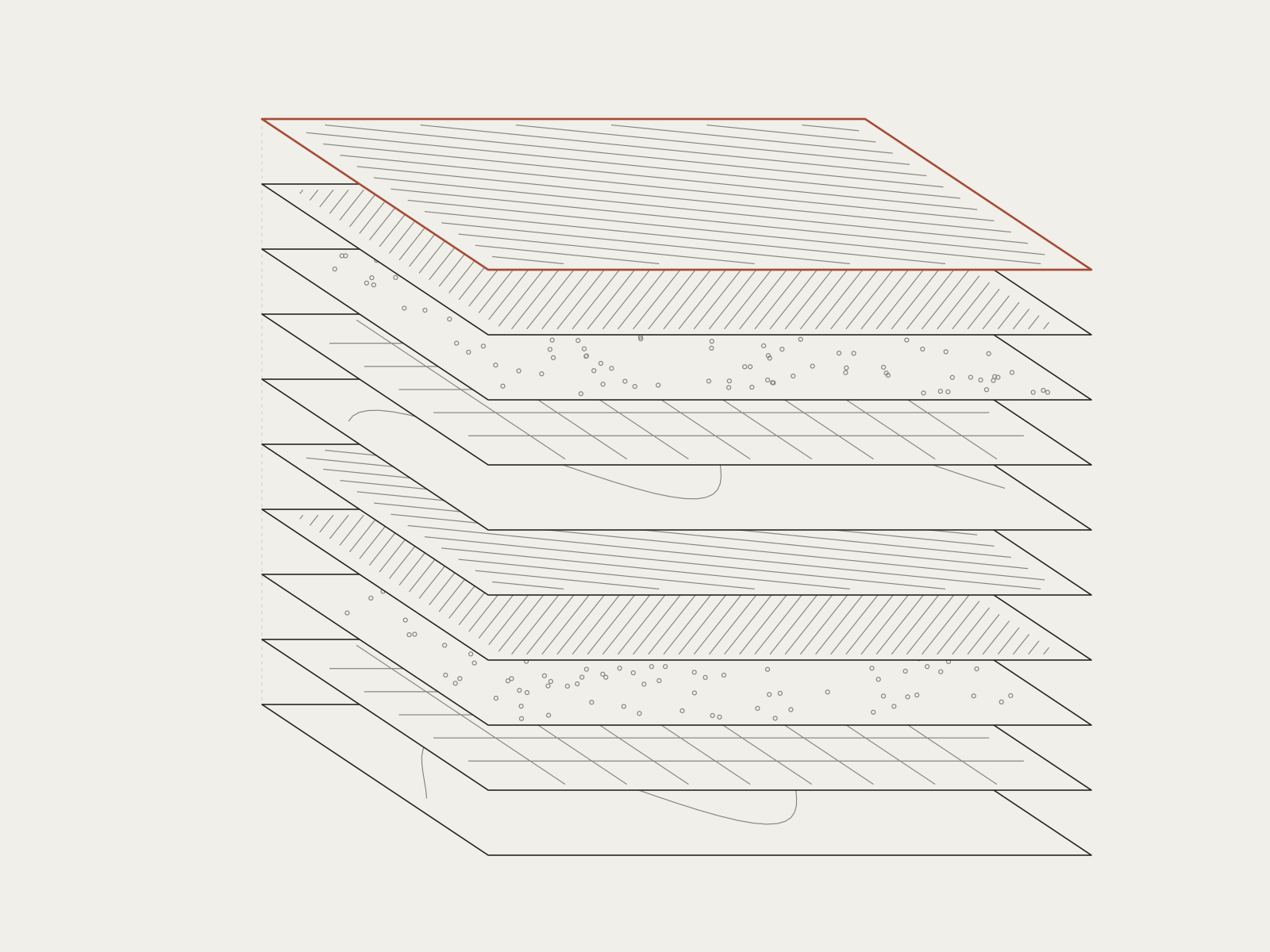
The use of a ten-dimension reading of context in design and thesis studios at BRAC University, from which most documented applications of the approach have emerged.
Ongoing researchResearch programme
New Contextualism 2.0
BRAC University, Dhaka · Documented 2024
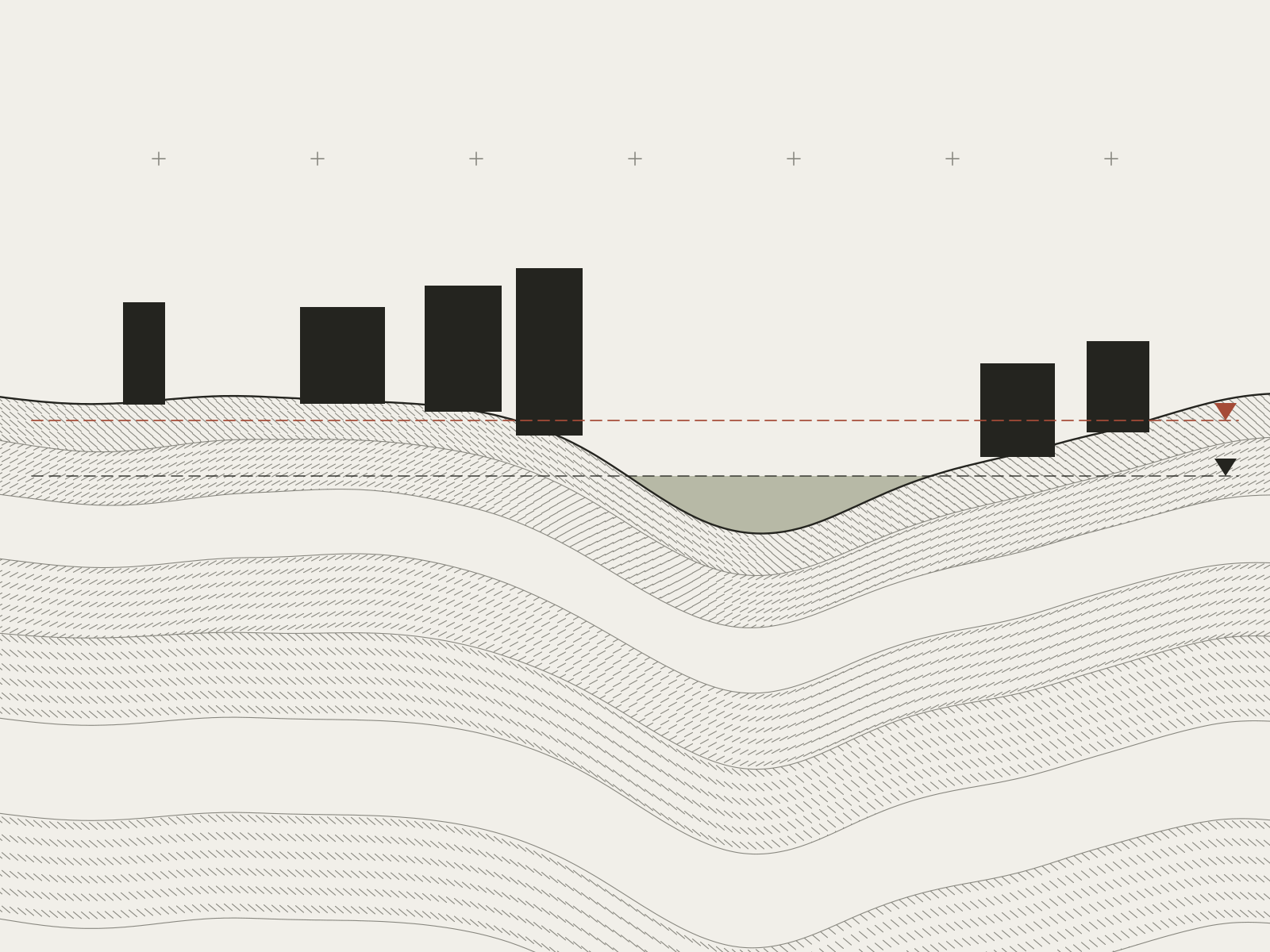
The further development of the approach at BRAC University, with greater emphasis on sustainability frameworks, nature-inspired design and proactive resilience.
Conceptual proposalUndergraduate thesis
Reimagined Jamuna Future Park as a Civic Space
Jamuna Future Park, Dhaka, Bangladesh · Documented 2025
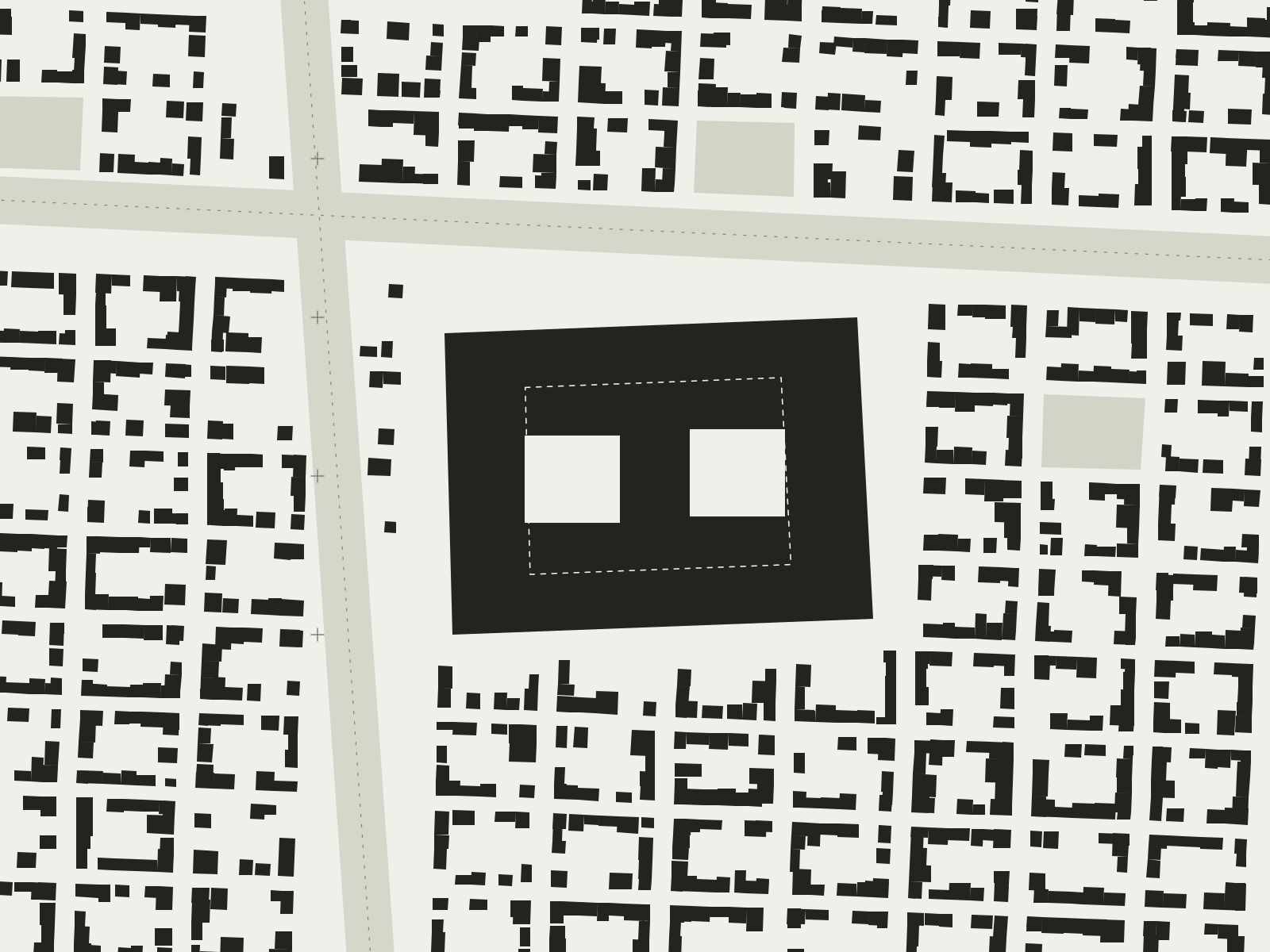
Reimagines a large commercial complex as a civic hub, opening its spaces to pedestrian networks, green corridors and social programmes.