Definition

Editorial summary Awaiting the founder’s approval

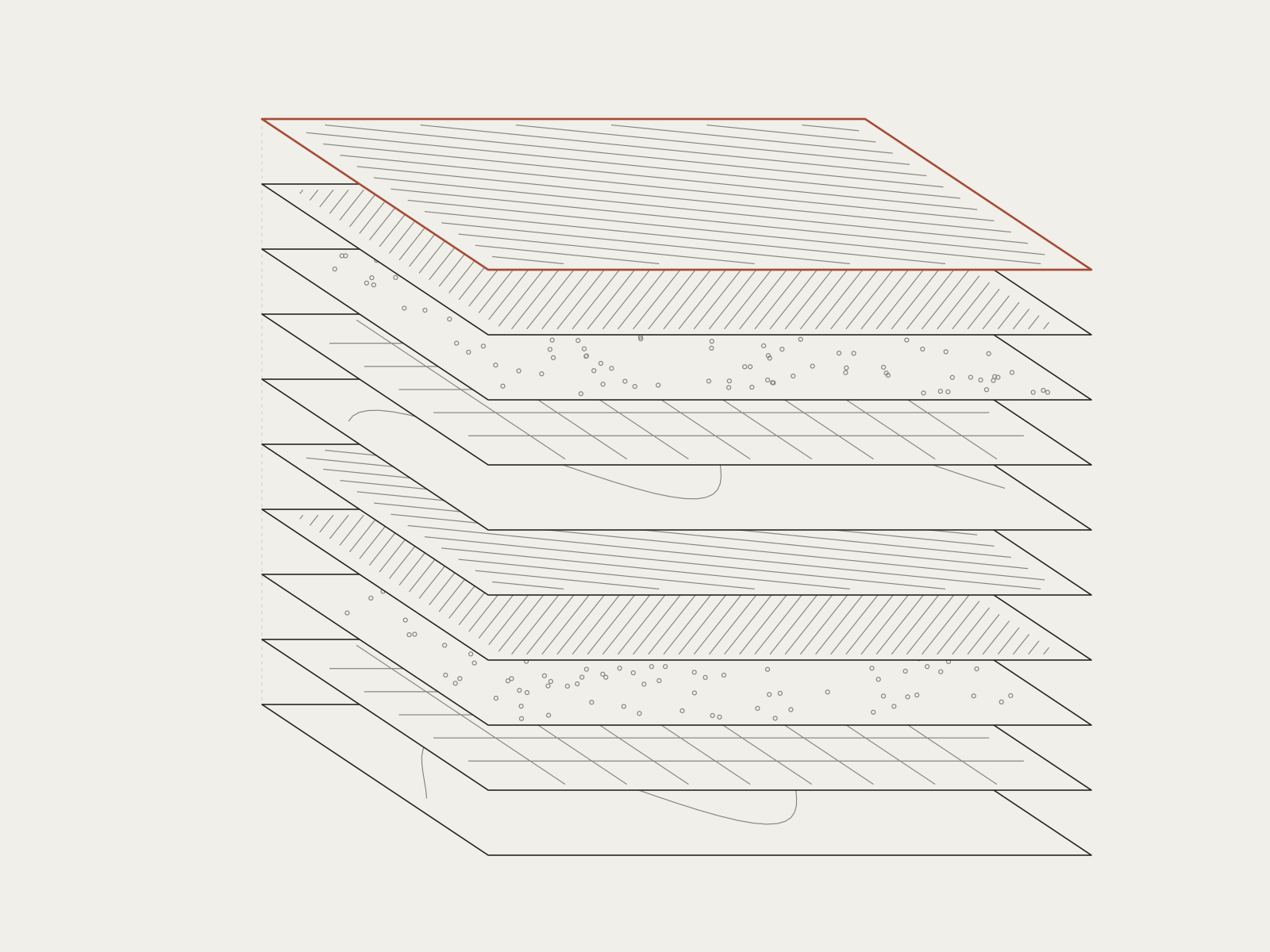
The political dimension examines how decisions about place are made and enforced: governance, patronage and regulations (Reza 2025). It asks who holds authority over land, water and public space, whose interests shape a brief, and how rules enable or obstruct change.

The Kallyanpur Khal thesis is an instructive case. It gave the political layer particular weight because repeated efforts by the authorities to dredge the canal and remove encroachments had not produced a lasting recovery (Reza and Nitu 2025).

The September 2025 essay does not name a political layer in its ‘ten-layer lens’, listing a spiritual layer in that position, although political conditions appear in its principles and case studies (Reza and Nitu 2025). This platform follows the April 2025 formulation, pending confirmation by the founder.


Analytical diagram

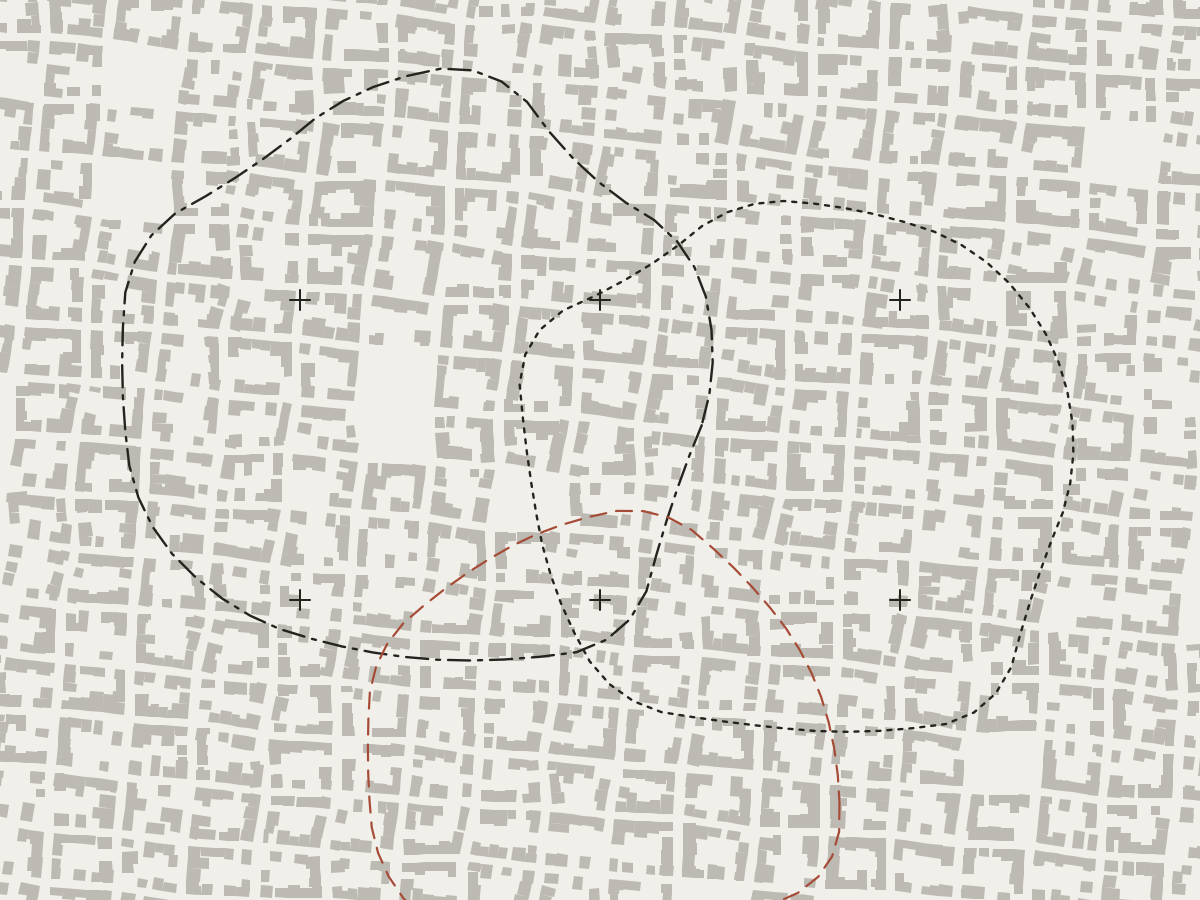
Analytical diagram for the political dimension. Jurisdiction: overlapping administrative boundaries drawn over an urban fabric. Editorial diagram
Jurisdiction: overlapping administrative boundaries drawn over an urban fabric. Original editorial drawing; an abstract diagram, not a documented site.

Political in relation

Interpretation Relations proposed by the editors

  • 01 Social

    Governance determines whose needs are recognised and who keeps access to shared space. Example drawn from Reza and Nitu 2025.

  • 02 Economic

    Patronage and regulation steer where investment flows and what gets built.

  • 04 Historical

    Policy and patronage decide which histories are preserved, and which are allowed to disappear.

  • 05 Ecological

    The fate of rivers, canals and wetlands is decided as much by governance as by nature. Example drawn from Reza and Nitu 2025.

  • 09 Urban

    Planning rules and infrastructure decisions give the city its form.


Relevant publications

  1. 2025
    Essay Reza and Nitu 2025
    Source ↗
  2. 2025
    Essay Reza 2025
    Source ↗
  3. 2023
    New contextualism: A path to a sustainable and equitable future

    Mohammad Habib Reza The Business Standard

    Essay Reza 2023b
    Source ↗
  4. 2023
    Possibilities and Challenges of the New Contextual Approach

    Md Samiur Rahman Bhuiyan Workshop ‘Exploring New Contextualism: An Approach to Architecture and Urban Design’

    Lecture Bhuiyan 2023
    Source ↗

Filter the archive by this dimension


Related projects

Conceptual proposalUndergraduate thesis

Rejuvenating Kallyanpur Khal

Kallyanpur canal, Dhaka, Bangladesh · Documented 2025

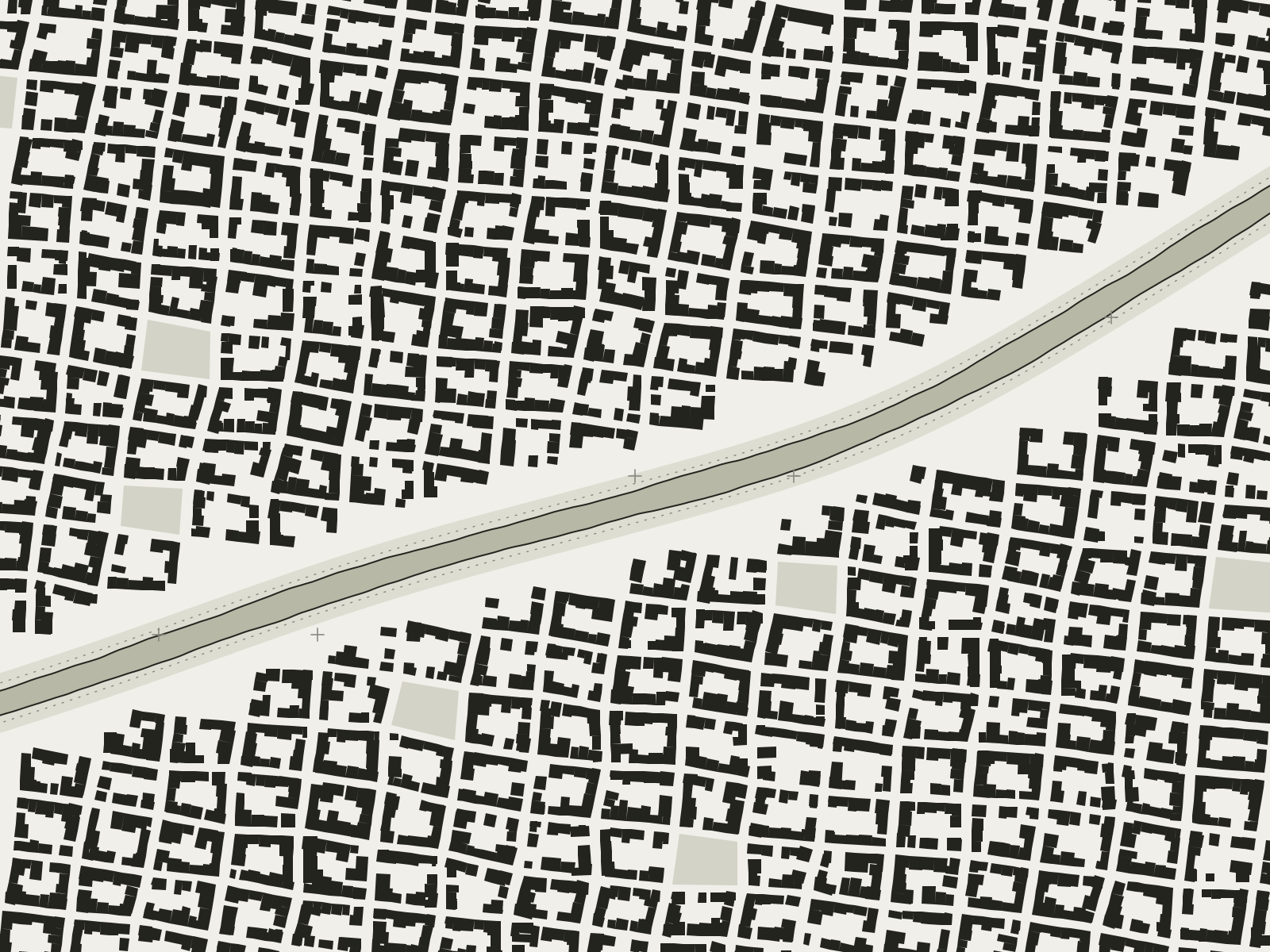
Frames a neglected urban canal as a civic spine, combining flood management, community access and boat transit within a transit-oriented development.
Social · Political · Ecological · Urban

Ongoing researchTeaching and thesis supervision

The tenfold reading in the design studio

BRAC University, Dhaka · Documented 2023

The use of a ten-dimension reading of context in design and thesis studios at BRAC University, from which most documented applications of the approach have emerged.

Social · Economic · Political · Historical · Ecological · Scientific and Technological · Geographical · Cultural · Urban · Architectural

Sources

New Contextualism

  1. Reza 2025Reza, Mohammad Habib. 2025. “New Contextualism: An architectural philosophy for deltaic Bangladesh.” The Daily Star, April 23, 2025. https://www.thedailystar.net/opinion/focus/news/new-contextualism-architectural-philosophy-deltaic-bangladesh-3878456. Record
  2. Reza and Nitu 2025Reza, Mohammad Habib, and Upama Das Nitu. 2025. “New Contextualism: Architecture and Urbanism for People, Place, and Justice.” Context BD, September 16, 2025. https://contextbd.com/new-contextualism-architecture-and-urbanism-for-people-place-and-justice/. Record

Search the platform