Conceptual proposal Undergraduate thesis
The Flowing Sanctity: From Myth to Matter
Panatirtha, Jadukata riverfront, Sunamganj, Bangladesh 2023
Reimagines a riverside pilgrimage site, traditionally visited once a year for ritual bathing, as a civic landscape alive in daily life as well as in ritual moments.
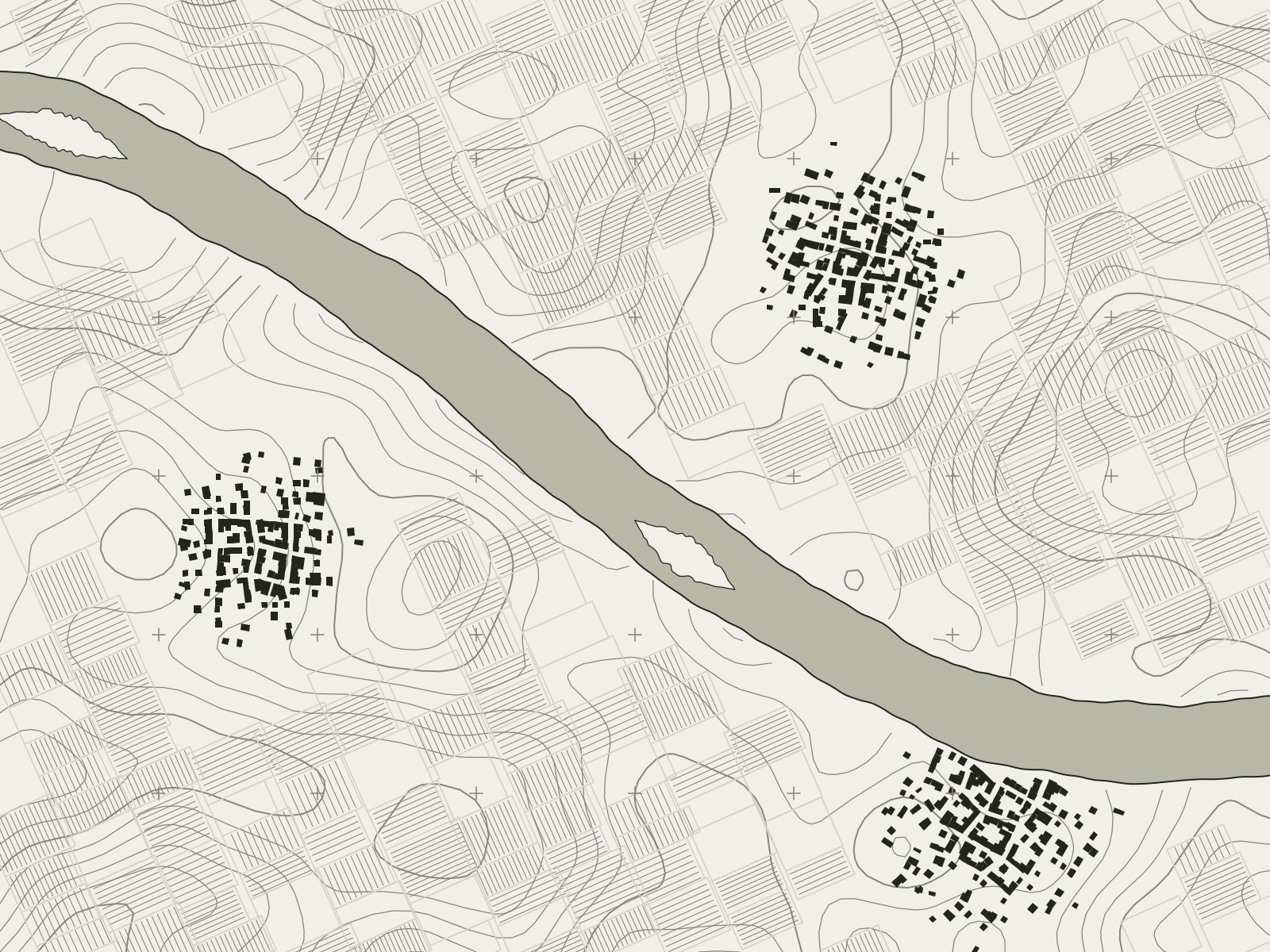 Abstract plate
Editorial summary Awaiting the founder’s approval Compiled from the cited sources
01 Context and background
Panatirtha is a spiritual pilgrimage site in Sunamganj, Bangladesh, where Advaita Acharya’s temple stands. Traditionally visited only once a year for ritual bathing, the site risked slipping into obscurity (Reza and Nitu 2025).
02 Research questions
Awaiting documentation Not yet documented. This section will be completed with material supplied or approved by the project’s authors.
03 Conditions
Historical
Historical and spatial readings traced community paths across paddy fields and mapped memory routes connecting temple and settlement (Reza and Nitu 2025).
Social
Social and cultural readings revealed how pilgrimage and tourism could sustain the economy of the permanent community; design interventions therefore sought to strengthen both local livelihood and artistic vitality (Reza and Nitu 2025).
Cultural
Spiritual and cultural concepts, especially Advaita, or non-dualism, shaped the spatial form (Reza and Nitu 2025).
Ecological
Not yet documented.
04 Analytical process
The essay presents the thesis as a project in which ‘context was not decorative but rather was the design generator’ (Reza and Nitu 2025). The routes traced in the historical and spatial reading became the skeleton of new circulation networks, so that the space would be grounded in familiar movement rather than feeling alien (Reza and Nitu 2025).
05 Design response
The design proposes memory lanes, public spaces, green buffers and cultural nodes that transform the river edge into a civic landscape. Courts for culture and for ritual are interwoven rather than divided, open to all identities, and year-round cultural festivals, community hubs and local markets are proposed to activate the spiritual complex (Reza and Nitu 2025).
06 Outcomes and critical reflections
Awaiting documentation Not yet documented. This section will be completed with material supplied or approved by the project’s authors.
07 Contributors and references
Upama Das Nitu, as credited in the published sources.
- Reza and Nitu 2025Reza, Mohammad Habib, and Upama Das Nitu. 2025. “New Contextualism: Architecture and Urbanism for People, Place, and Justice.” Context BD, September 16, 2025. https://contextbd.com/new-contextualism-architecture-and-urbanism-for-people-place-and-justice/. Record
Related projects
Ongoing researchTeaching and thesis supervision
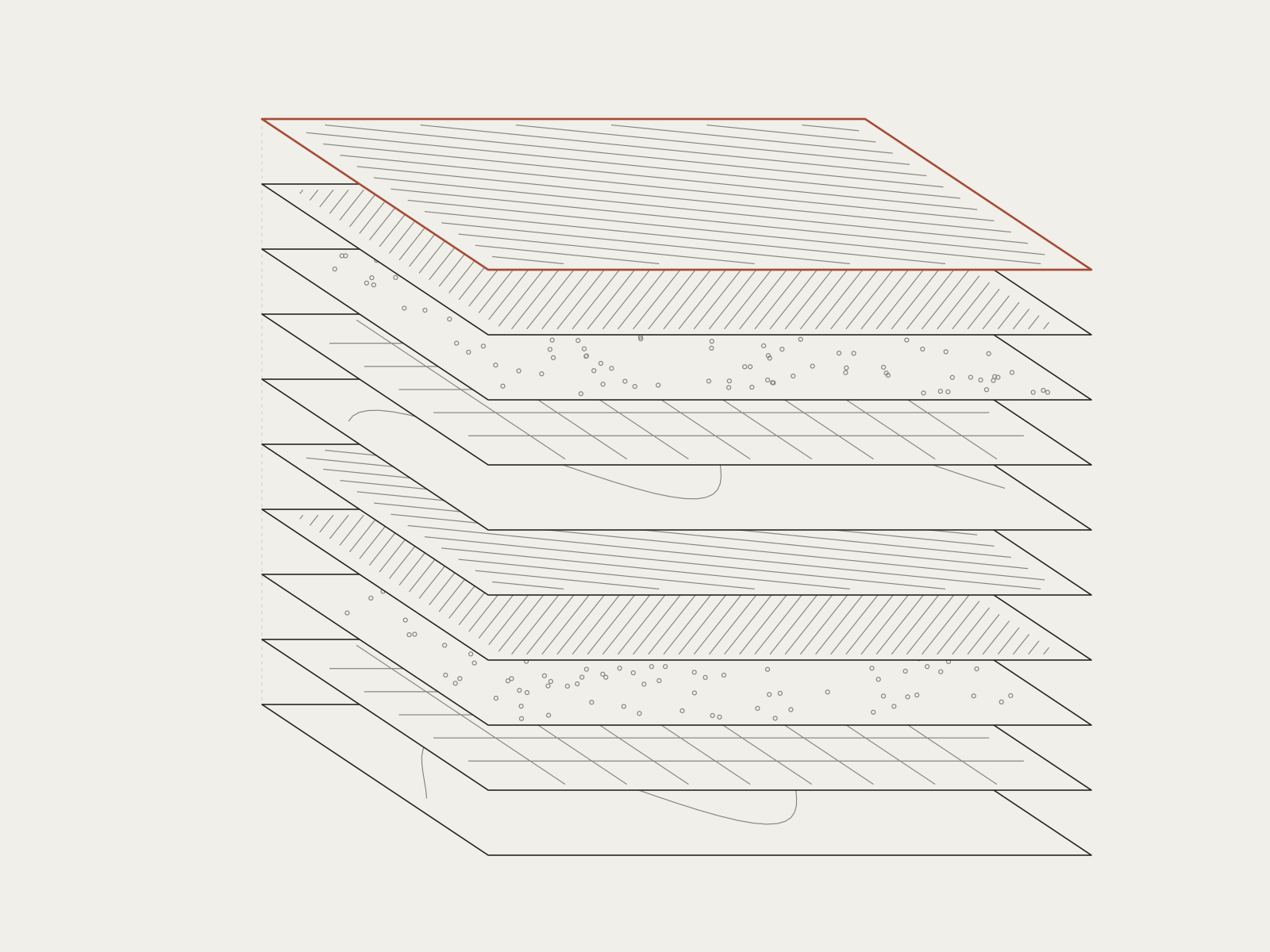
The tenfold reading in the design studio
BRAC University, Dhaka · Documented 2023
The use of a ten-dimension reading of context in design and thesis studios at BRAC University, from which most documented applications of the approach have emerged.
Conceptual proposalThesis and studio project
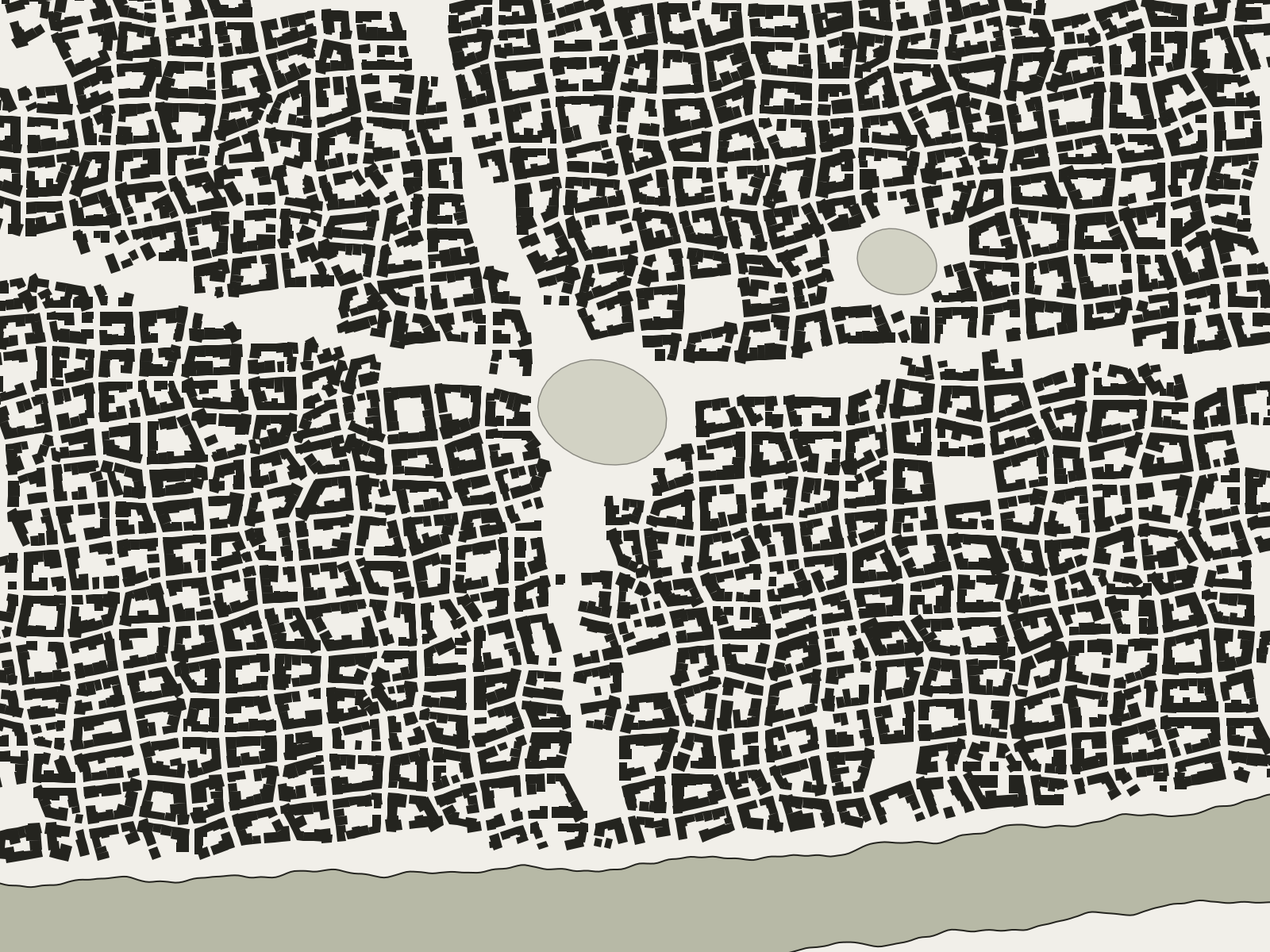
Redevelopment of Chawk Bazar Market Complex as an Impressionistic Museum of Memory Lane
Chawk Bazar, Old Dhaka, Bangladesh · Documented 2023
Reimagines Old Dhaka’s historic Chawk Bazar as a layered spatial narrative, merging memory, commerce and community.
Conceptual proposalInternational competition entry
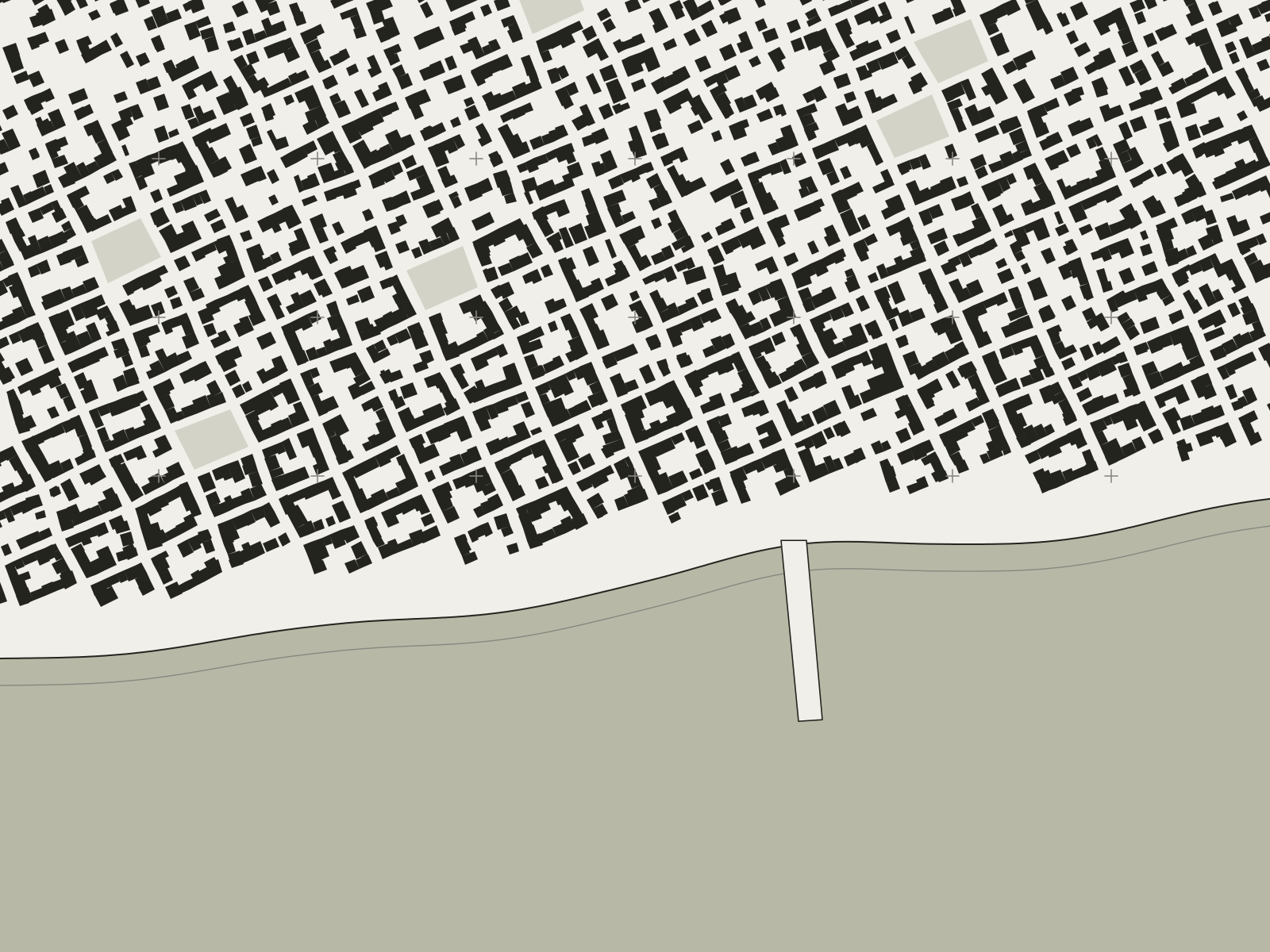
The Gateway to Tomorrow – A Sanctuary for Reflection and Remembrance
Gateway of India precinct, Mumbai, India · 2024
A competition entry reimagining the Gateway of India precinct as a civic sanctuary, anchored by a sunken memorial cube and two symbolic axes.